
Fraud awareness for your move to Fifth Third
Understand common scam tactics and how to verify legitimate Fifth Third communications.
Your security is our priority. Fraudsters sometimes target customers during bank transitions, and we want to help you feel informed and confident.
First and foremost, be sure to slow down and verify information before taking action, use trusted links, and be cautious of unexpected calls, texts, or emails asking for passwords, security codes, PINs or your Social Security number, especially over transition weekend (September 4 to 7) and the weeks immediately following.
Note: Fifth Third may request your Social Security number once during first-time Online Banking enrollment to verify your identity and protect your account.
How to recognize common signs of fraud
Fraudsters may use phishing emails, smishing (text scams), phone scams and account takeover attempts to gain access to personal information.
Be cautious of messages that:
- Ask you to click a link to verify account information
- Claim immediate action is required
- Request passwords, PINs, Social Security numbers or one-time passcodes
- Direct you to unfamiliar websites
- Ask for personal or financial information unexpectedly
Know when we’ll ask for personal information
Fifth Third may request certain information when you're using official channels, such as enrolling in Online Banking or verifying your identity when you call us directly. However, Fifth Third will never unexpectedly call, text or email you to ask for:
- Your password
- Your PIN
- A one-time passcode
- Sensitive account credentials
If you receive an unexpected request for sensitive information, don’t respond or share any details. For your security, contact Fifth Third directly using a verified phone number or the official website.
Staying informed can help you recognize suspicious activity and protect your information. Learn more about common warning signs and ways to protect yourself in our Bank Fraud, Scams, and Identity Theft FAQs.
How to protect yourself
 Slow Down
Scammers often create urgency. Take a moment to verify information before taking action. Don't Click
Before clicking a link, check who sent the message. Be cautious with emails or texts from unfamiliar senders. Protect Passwords
A unique password for your banking accounts helps keep accounts secure. Check URLs
Scammers may use fake websites that look real. Type web addresses directly into your browser to check the spelling.
Fifth Third gives you an extra layer of protection
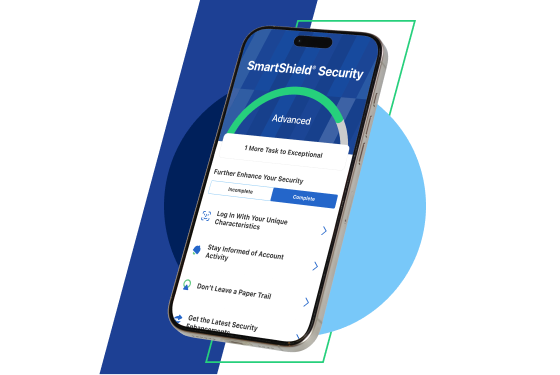
Fifth Third employs multiple security measures to help protect customer accounts, including monitoring, alerts, and security tools designed to help identify suspicious activity.
Available tools and resources include:
Have questions about the transition?
Visit the Welcome Center for important dates, account information and resources related to your move to Fifth Third.